Agricultural Building – What Is It?
On working farms, the existence of an agricultural building is instrumental to the smooth functioning of day-to-day work. So, what is considered an agricultural building? They protect livestock, crops, machinery and feed from the elements, improve efficiency and help farms run safely and profitably all year round. Today we will explore this question in greater detail. We will cover:
- What Is Considered an Agricultural Building?
- What Are the Different Types of Agricultural Buildings?
- What Materials Are Best for Agricultural Buildings?
- What Are Steel Agricultural Buildings?
- How to Choose the Right Agricultural Building
- Planning Permission and Regulations for Agricultural Buildings
- How Much Do Agricultural Buildings Cost?
- How Should You Maintain Your Agricultural Building?
What Is Considered an Agricultural Building?
If you own or work on a farm, you will appreciate the importance of agricultural steel buildings. These simple structures are hugely important and support day-to-day operations on a working farm. Without the introduction of an agricultural building, farm owners would lack the means to store valuable products and instruments. You may still be wondering at this point ‘’What is an agricultural building?’’
Clearly defined, an agricultural farm building is a purpose-built structure that is used to house agricultural instruments and/or equipment, produce, livestock or poultry. Agricultural buildings are not designed for public use, and do not contain habitable space. Instead, they are used by farm owners and workers alike to store and protect the aforementioned equipment and stock. In particular, they provide protection against the elements.
What Are the Different Types of Agricultural Buildings?
There are a great number of agricultural steel buildings that can be purchased that are designed for a variety of different uses. Here at Kit Buildings Direct, for example, we have a broad agricultural building range. All our agricultural steel buildings are expertly crafted and are equipped to effectively perform the task they are designed for.
Some different types of agricultural buildings available on the market include:
Hay Barns
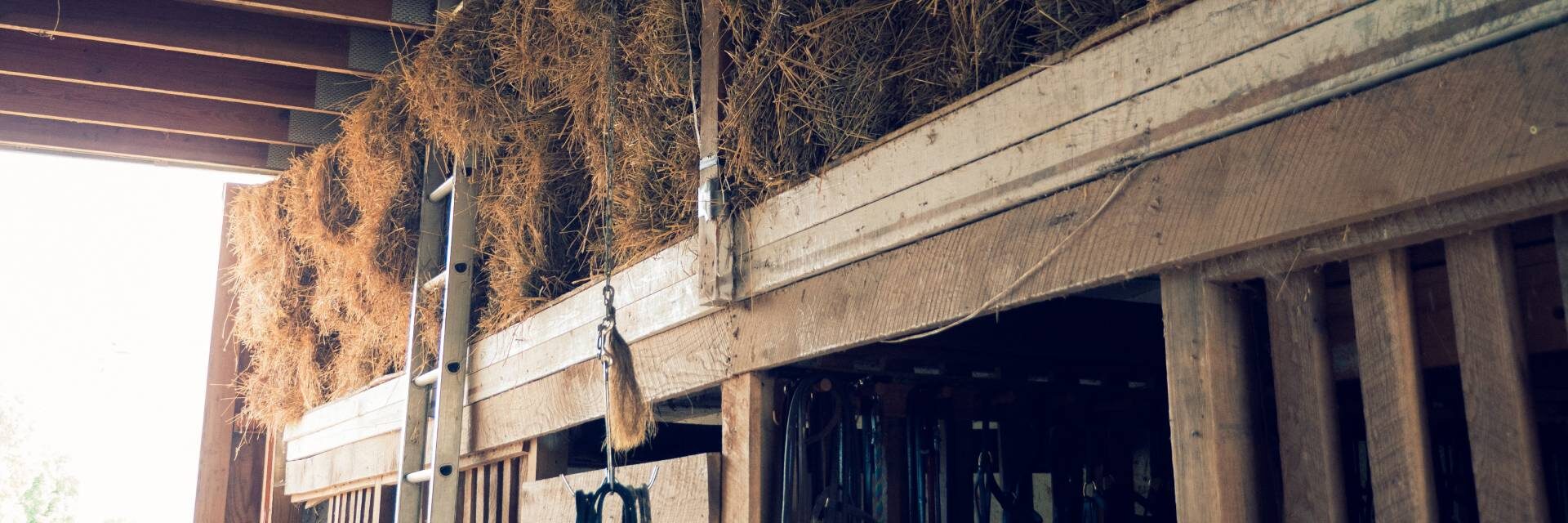
Hay barns are used effectively to store and protect hay and straw from weather damage. Farm owners can reduce hay wastage and maximise quality with the integration of a hay barn, which both improves profit margins and productivity.
Common types of hay barns include:
- Open-fronted hay barns
- Enclosed hay storage buildings
- Multi-purpose barns for hay and straw
- Large-span storage barns for bulk storage
To see how a well-designed steel barn can protect feed quality and reduce wastage on your farm, check out our article on reducing hay spoilage and waste.

Livestock Buildings
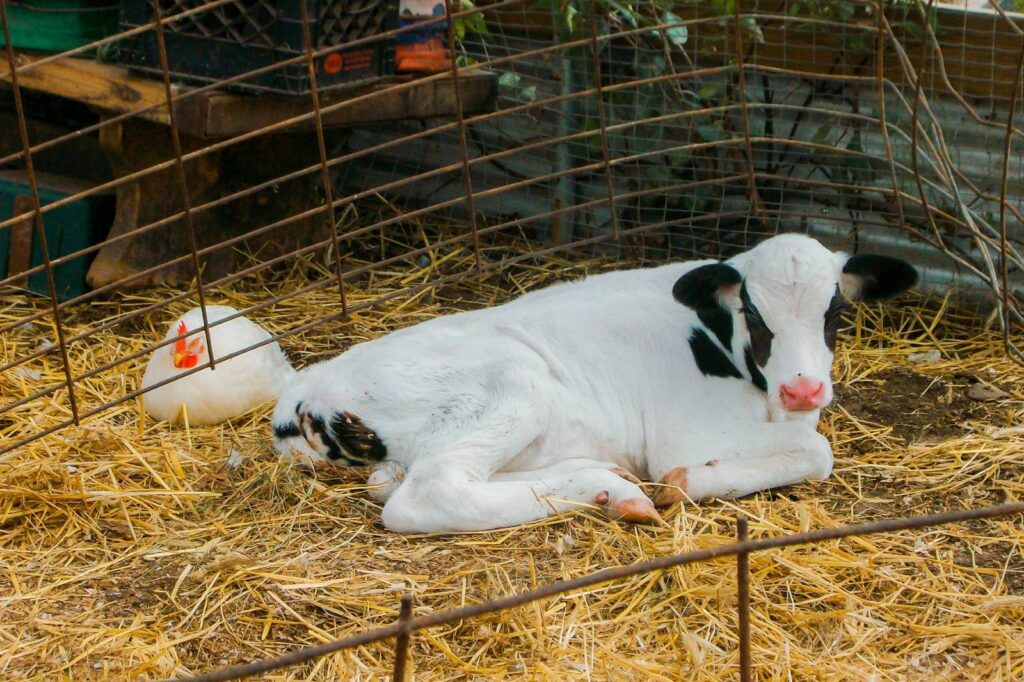
Livestock buildings are a type of agricultural building that improves the security and wellbeing of livestock. These can be bespoke designed to suit the requirements of the customer, with different building specifications required for cows, sheep, goats and pigs. A high-quality steel livestock building provides effective weather protection for your livestock.
Common types of livestock buildings include:
- Cattle housing buildings
- Sheep sheds
- Pig housing buildings
- Poultry buildings
- Milking parlours and dairy housing
Each type requires different ventilation, spacing and layout depending on the livestock being housed. Read our article on winter livestock care, which explains how agricultural buildings help protect animals from cold, wind and dampness.
Grain Sheds
Protecting supply and stock is important on a farm and can sometimes be difficult outdoors. A grain shed is used for storing harvested crops safely and securely. A high-quality grain shed, such as what we sell, protects your grain against damage (vermin) or loss (theft).
Common types of grain sheds include:
- Dry grain storage sheds
- Bulk grain storage buildings
- Grain processing and handling sheds
- Multi-purpose storage sheds for grain and machinery
Farm Storage Buildings
These are some of the most versatile buildings on a farm and are often used for machinery, feed and general storage.
Common types include:
- Machinery storage sheds
- Fertiliser and feed storage buildings
- Workshop buildings
- General-purpose agricultural sheds
- Secure storage buildings
Agricultural storage buildings help keep valuable equipment protected from weather and theft while improving organisation on site.
What Materials Are Best for Agricultural Buildings?
The best materials for agricultural buildings depend on the structure’s purpose, balancing durability, cost and environmental impact. Agricultural buildings can be made out of a variety of materials, such as steel, timber or concrete.
What are Steel Agricultural Buildings?
An agricultural steel building is a pre-engineered, steel-framed structure built for use on a working farm. These buildings are commonly used for machinery storage, grain and feed housing, livestock shelters, hay barns, workshops and general-purpose utility spaces. Unlike traditional timber or brick structures, steel agricultural buildings are manufactured off-site and assembled quickly once delivered.
Most modern agricultural buildings here in the UK are steel-framed, and for good reason. Steel doesn’t rot, warp or attract pests like timber does, which means that once it’s up, it’s up for decades with very little fuss. That’s a priority for farmers when they’re protecting expensive machines, feed or livestock. Steel-framed farm buildings handle rain, wind and even frost better than most traditional options.
Why Is Steel the Most Popular Material for Agricultural Buildings?
Steel is the most popular material for modern agricultural buildings because of its inherent strength, customisability and how quickly it can be erected. A couple of things farmers will notice right away with steel buildings:
- Durability: Steel can withstand the heavy British weather with no warping or decay over time.
- Low maintenance: You don’t spend weekends retreating or fixing it.
- Clear internal space: Steel allows big clear spans without posts, so you can get a tractor or combine in and out easily.
- Scalability: If you need to extend or repurpose a building later, steel adapts without throwing the whole structure out of balance.
Because of all that, steel is usually the go-to choice for barns, grain stores, machinery sheds and multi-purpose buildings where strength and low upkeep are priorities.
That said, steel can get cold in winter and hot in summer unless it’s insulated properly, and without good ventilation you can get condensation issues. This is definitely something worth planning for if you’re storing hay or livestock equipment. Read our article to learn more about the advantages of steel agricultural buildings.

What are Timber Agricultural Buildings?
Timber agricultural buildings are primarily made from treated, structural timber. They are commonly constructed using portal frames, which offer strong, open spaces. Common types include barns, sheds, stables and workshops. Many may prefer timber buildings because they blend into the countryside better.
What are the Benefits of Timber Agricultural Buildings?
- Natural insulation: Wood holds heat better than bare steel, which can make a real difference in livestock sheds or workshops in winter.
- Aesthetics: Timber feels more “farmyard” and less industrial.
- Sustainability: Responsibly sourced timber is renewable and has a smaller carbon footprint.
Timber also needs to be treated and cared for. In the UK’s damp climate it can rot, warp or attract wood-loving pests. Therefore make sure any timber you use is properly pressure-treated and that you inspect it regularly.
What are Concrete Agricultural Buildings?
Concrete often gets overlooked in the classic “steel vs timber” debates, but it still has a role on the farm, especially for foundations. A concrete floor in a cattle shed or feed store can make cleaning far easier and cut down on long-term wall damage where bedding and moisture are constant factors.
What are the Benefits of Concrete Agricultural Buildings?
- Loads and abrasion: Perfect where machinery or livestock traffic is heavy.
- Moisture resistance: A solid base stops water, muck and slurry from eating into the building fabric.
- Temperature stability: Concrete’s thermal mass helps keep interior spaces steadier in changing weather.
Usually you won’t see entire buildings made from solid concrete, but concrete bases, walls or panels paired with steel frames are a very common and practical combination.
How to Choose the Right Agricultural Building
When choosing the right agricultural building, it’s important to think ahead so you don’t end up stuck with something that doesn’t fit your workflow or becomes a money pit. There’s no one “perfect” building for every farm, but there are clear, practical steps to make sure you pick the right structure.
1. Start With What You Actually Need It For
This sounds obvious, but it’s the building that can function for what you need it for.
- Are you storing equipment, feed, crops or tools?
- Is it going to be livestock housing with ventilation and clean-out requirements?
- Do you need a workshop or multi-purpose space?
Each use demands different features. A farm building for feed storage needs good ventilation and weather protection. Machinery sheds need large, clear access and space to manoeuvre tractors and balers. Livestock spaces need airflow and ease of cleaning.
2. What Size Agricultural Building Do You Need?
Once you’ve determined the purpose of the building, that will then influence the size you need. When considering what size agricultural structure, you of course must take into account length and width, but also think about workflow and future use. Ask yourself:
- Do I need room to drive a tractor all the way through?
- Will I upgrade in the next few years if you could potentially get more livestock?
- Do I need separate storage and working areas?
Internal layout and that space vanishes fast if you don’t plan properly.
3. Factor in Your Local Environment and Weather
You should take into account your local climate and weather conditions:
- In wetter parts of the UK, you’ll need robust drainage so water doesn’t get blown or pooled inside.
- In exposed or windy areas, consider steel frames and cladding that provide protection against gusts and storms.
- If winters are cold, insulation and snow load on roofs become important.
This kind of practical detail makes a big difference to how usable your building is year-round.
Planning Permission and Regulations for Agricultural Buildings
Agricultural buildings aren’t treated the same as sheds in a back garden. They’re classed as permanent structures because they’re part of the long-term operation of your farm. In most cases, agricultural building regulations and planning permission will need to be followed before you start digging or erecting steelwork.
However, the planning system also recognises that farms need flexibility. So, there are Permitted Development Rights (PDRs) that let you build without a full planning application in some circumstances. These exist precisely so you don’t waste months and thousands on applications for ordinary farm sheds and stores that are just part of everyday farming.
When Do You Need Planning Permission?
For most farms, if you’re putting up a new agricultural building that’s going to be permanent and is not covered by permitted development rights, you’ll need planning permission first. This includes large barns, livestock housing, grain stores and similar permanent structures. Building control and planning authorities consider how that structure will sit in the landscape long-term.
You also definitely need planning permission if you’re:
- Changing the use of land or buildings from agricultural to something completely different (for example turning a storage shed into a business premises or house)
- In a conservation area, green belt or protected landscape, where additional controls apply
- Planning a development that could have a significant environmental impact, requiring an Environmental Impact Assessment (EIA)
Getting permission after you start can be costly: the council can order you to stop work or even remove the building. If you’re unsure whether your project falls under permitted development or requires a full planning application, our guide on planning permission for agricultural buildings explains this in more detail.
How Much Do Agricultural Buildings Cost?
Agricultural buildings vary massively in cost based on a handful of key factors, and understanding these early can save time, money and stress.
Building Material
The most fundamental cost driver is the material you choose. Agricultural buildings supplied through Kit Buildings Direct use UK-manufactured steelwork, which offers great durability and a long service life without constant maintenance. This tends to be a solid investment over timber or other options because you’re not repainting or replacing degraded elements every few years.
- Steel frames and cladding will often cost more upfront than timber but give you longevity and resilience against weather and pests.
- Agricultural cladding options can bump up the price but will save maintenance later.
- Galvanised or treated finishes add cost but pay back through reduced corrosion and longer life in a wet UK climate.
Cheaper materials can mean higher long-term bills if the building needs early repairs. For real-world examples of how farmers are using steel agricultural buildings across their operations see our article on 5 uses for steel agricultural buildings.
Building Size
A 10,000 sq ft barn costs a lot more than a 3,000 sq ft machinery shed. However, it’s more than just a square footage calculation.
- Larger buildings need more steel sections, more cladding panels, heavier foundations and usually larger doors and access points.
- The shape of the building affects cost too, as wider clear spans require stronger (and often pricier) frames.
- Internal partitioning, mezzanines or livestock pens add material and labour costs on top of the structure.
A rough rule is that costs don’t increase linearly. Doubling the size doesn’t just double the cost; it can sometimes push you into higher brackets of engineering and foundation requirements.
Site Preparation and Foundations
On a farm, how the ground behaves affects where you place your building.
- Slab or pad foundations need to be sized to suit ground conditions, as sometimes poor soil means deeper or more extensive base work.
- Drainage and access formation might be necessary if your site is damp or the entrance needs strengthening for heavy machinery.
- If the site needs obstacle removal, levelling, tree clearance or utility runs, these all need to be done before your frame goes up.
At Kit Buildings Direct, we can price in groundwork and foundation installation as part of a full build package. It’s often a good idea to get that factored in from the start rather than retrofitted later.
How Should You Maintain Your Agricultural Building?

Agricultural buildings are exposed to weather all year round and take daily wear from machinery, livestock and storage. A simple maintenance routine keeps them safe, extends their lifespan and prevents small issues from turning into expensive repairs.
Carry Out Regular Visual Inspections
A quick walk-round a few times a year can save thousands in repairs. Look for loose sheets, damaged cladding, missing fixings or signs of water getting in. After heavy wind or storms, it’s always worth checking the roof and sides before problems develop.
Keep Roofs, Gutters and Drainage Clear
Blocked gutters and poor drainage are one of the main causes of damp and corrosion.
- Clear gutters and downpipes regularly
- Make sure water runs away from the building, not towards it
- Check for pooling around the base of walls
If water sits around a building long enough, it could find a way inside.
Watch for Rust and Corrosion
Steel buildings are extremely durable, but moisture, slurry and fertiliser can all speed up corrosion.
- Check base rails, fixings and door openings
- Treat surface rust early with primer and protective coatings
- Keep steelwork clean, especially in livestock buildings
Catching rust early is far cheaper than replacing sections later.
Look After Floors, Bases and Foundations
The condition of the concrete base affects the entire structure.
- Repair cracks and damaged edges
- Check thresholds where water often enters
- Make sure floors slope correctly for drainage
Good groundwork protect both the building and anything stored inside it.
Ensure Proper Ventilation
Poor airflow within livestock buildings causes condensation, rust and mould.
- Keep vents and ridge openings clear
- Add ventilation where moisture builds up
- Essential for livestock housing, feed and hay storage
Good ventilation protects stock, machinery and stored materials. For a more detailed breakdown of inspections, repairs and long-term upgrades, take a look at our full guide on maintaining and upgrading your agricultural buildings.
Agricultural Buildings From Kit Buildings Direct
The team here at Kit Buildings Direct hope you now have more clarity on what is considered an agricultural building, as well as the purpose of certain buildings.
We have over 50 years of experience designing, manufacturing and installing all types of agricultural buildings across the UK. We are experts in steel-framed agricultural buildings, and all of our steel is UKCA-marked. Our structures are made for all kinds of agricultural uses, including livestock housing, hay and straw storage, grain sheds, workshops, machinery sheds and many more.
Though we listed a few examples of the types of agricultural buildings we offer, we build many more buildings which perform different tasks. Not only this, but we are able to create bespoke structures to suit the requirements of the client.
We are a proud family-run business with a strong reputation for friendly service and quality steel-framed buildings that perform in real farm environments.
Our work has also been recognised in the industry, including Industrial Prefab Manufacturer 2026 at the Diamond Distinction Awards.
If you need help choosing the right agricultural building, want a quote or just have questions about what’s right for your farm, contact our experienced team today.
