Steel Buildings: The Complete Guide to Uses, Types and Benefits
Steel buildings are used across the UK for everything from agricultural storage and workshops to warehouses and commercial buildings. Over the years, we’ve seen more businesses move away from timber and concrete structures and towards steel-framed buildings because they’re quicker to put up, last longer and are easier to customise.
If you’re thinking about installing a steel building, it helps to understand what they are, what they’re used for and what benefits they offer over traditional structures.
What Are Steel Buildings?
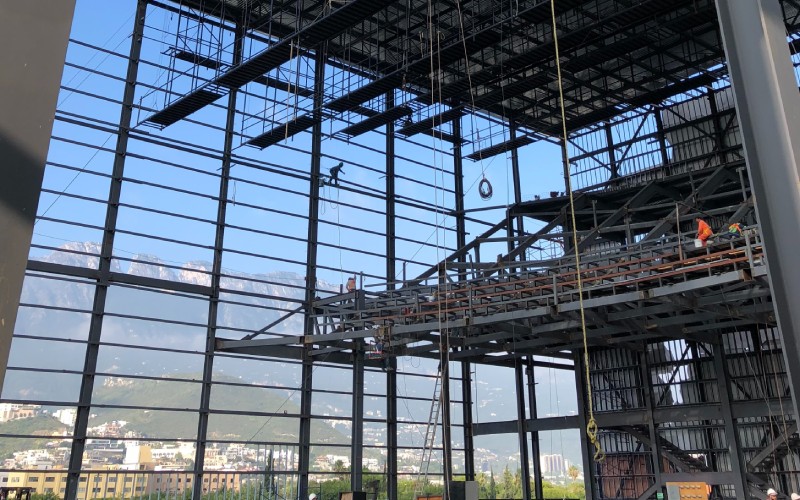
A steel building is a structure built around a steel frame that supports the roof and wall cladding. Instead of relying on timber or brickwork for strength, the load is carried by the steel framework, which creates a strong and stable structure that can handle heavy use and harsh weather.
Steel is used in construction because of its versatility, flexibility and how quick it is to work with. These buildings are most commonly used for storage, workshops, warehouses and agricultural buildings.
Is it Cheaper to Build with Steel?
In many cases, yes. Steel-framed buildings are often more economical and cost-effective than other traditional construction materials, especially for large open spaces.
There are a few reasons for this.
First, steel structures require fewer materials and less labour time, as the majority of the building is manufactured in advance and delivered to the site ready to be assembled.
Secondly, the installation process of steel buildings is much quicker too. A steel frame can be erected in days once the groundwork is complete, which reduces labour costs and any delays in the project.
Finally, maintenance is lower. Galvanised steel frames resist rust and weather damage, meaning they remain durable over time.
That said, the final price always depends on the size of the building, the specification, and what extras are included.
What are Steel Buildings Used For?
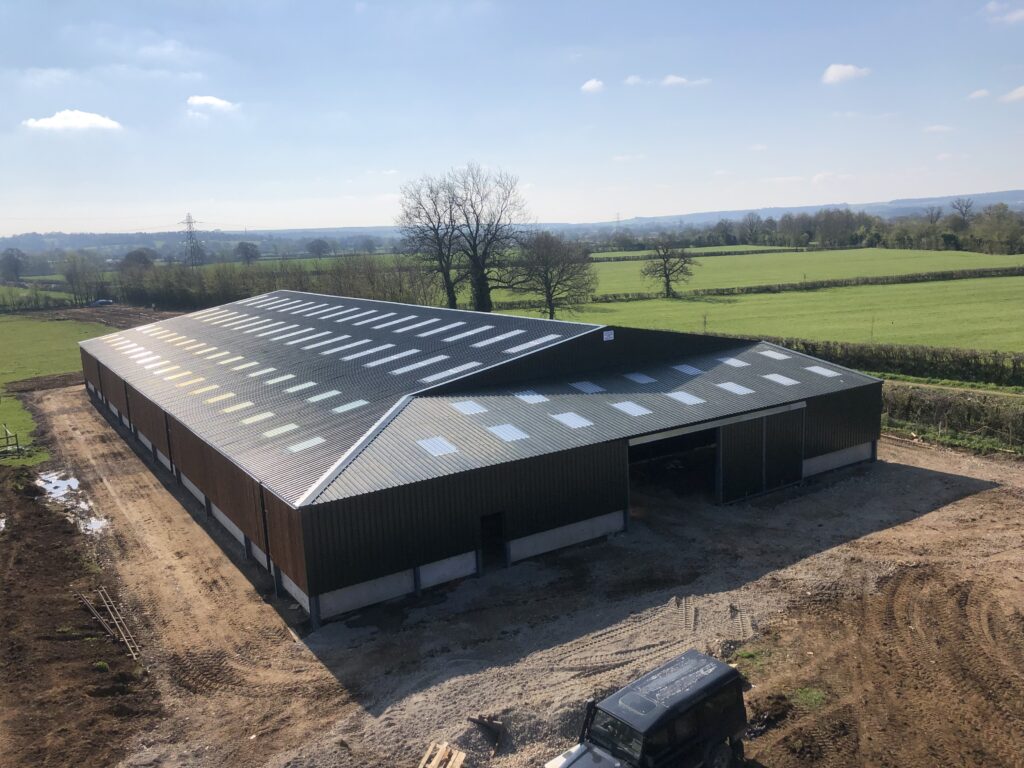
One of the biggest advantages of steel buildings is how versatile they are. Day in and day out we design, manufacture and install steel buildings across several industries.
Steel Agricultural Buildings
Farms make heavy use of steel structures for things like machinery storage, livestock housing, hay barns and equestrian facilities. Steel is a practical choice for agricultural buildings because it stands up well to moisture and harsh weather conditions.
Steel Workshops and Garages
Many mechanics, engineers and tradespeople use steel-framed buildings as workshops or vehicle storage. The clear span design means you get a wide working space without columns getting in the way.
Steel Industrial and Commercial Buildings
Warehouses, factories and distribution centres rely on steel frame construction. In addition, steel buildings are used in commercial settings too for storage, office space and retail shops. These buildings need large open floor areas and high roof clearance, which steel structures provide easily.
Storage Buildings
From simple equipment sheds to large storage units, steel structures are commonly used when a secure and durable structure is needed. Read our article on the best uses for steel storage buildings and look at how these structures are used in practice.
What Features Can Be Added to a Steel Building?
One thing people often don’t realise is how customisable steel buildings are. The frame may form the structure, but almost every other part can be tailored to suit the building’s function.
If you’re building a workshop, aircraft hangar, warehouse or any other steel building type, there are standard features that make every prefab building strong and cost-efficient.
Different cladding types
Walls and roofs can use box profile sheets, fibre cement or insulated composite panels depending on the building’s use.
Insulation systems
Insulation systems can be easily added in steel-framed buildings to regulate temperature, which is especially important during the winter months.
Read our guide on insulating a steel building which explains how this works in more detail.
Doors and access points
Roller shutter doors, sliding doors and standard personnel doors can all be incorporated into the design.
Windows and roof lights
Natural light can be introduced using roof lights or windows placed along the building.
Internal partitions
Larger buildings can include offices, storage rooms or mezzanine floors.
Because the buildings are manufactured to order, we can adjust the layout, size and openings to match exactly what the customer needs.
Do Steel Buildings Require Planning Permission in the UK?
Yes, steel buildings generally require planning permission in the UK.
Commercial and industrial steel buildings almost always require planning permission, particularly if the structure is large or visible from surrounding areas.
However, smaller structures such as garages, sheds or temporary buildings may fall under permitted development depending on their size and location.
Every local authority has slightly different rules, so it’s always worth speaking to your local planning department before starting a project. This helps avoid delays or the risk of having to alter the building later.
What Are the Advantages of Steel Buildings?
There are several advantages of steel buildings, including durability, inherent strength, fire and wind resistance and recyclability. These are the reasons steel-framed structures have become the go-to option for many farms and industrial businesses.
Durability
Steel buildings are durable and require much less maintenance than buildings made from traditional materials. Unlike wooden structures that are susceptible to pests and rot over time, steel will not show the same level of wear and tear, especially when it is properly insulated.
With proper maintenance, a steel building can last for decades. You can learn more about this in our guide explaining how long steel buildings last.
Strength-to-Weight Ratio
Steel has the highest strength-to-weight ratio of any construction material. A pre-engineered building can span up to 300 feet wide without interior columns. Most wooden structures require columns to support the roof, which can reduce usable interior space.
Fire Resistance
While nothing is completely fireproof, steel is highly resistant to fire. In fact, the melting temperature of steel is higher than most typical building fires. Wood may seem like an attractive option due to the lower initial price, but in the long run, framing with wood may actually cost you more.
Wind Resistance
If you live in an area with high winds, steel is an excellent option because it performs well under these conditions. Steel has ductility, allowing it to bend without breaking, meaning it can absorb more energy than many other construction materials.
Recycle Without Compromise
Steel is the most recycled material in the world. As green building becomes more sought after, the steel industry continues to lead eco-friendly initiatives. Most importantly for building owners, steel can be recycled repeatedly without compromising its structural integrity.
How Long Does It Take to Build a Steel Building?
Steel buildings are a popular building type due to their quick construction.
A pre-engineered steel building can save up to 50% over a building constructed with traditional materials. This is because steel building components are pre-made. More specifically, everything including the primary and secondary framing is pre-welded.
Once foundations are prepared, the steel frame itself can be erected in a matter of days. Cladding, doors and finishing work usually follow shortly afterwards.
The overall timeline depends on several factors:
- Size of the building
- Site preparation and groundworks
- Weather conditions
- Custom features and internal work
Steel Buildings vs Timber Buildings
Cost Comparison
Even with similar material pricing, building with wood can end up costing you more in the long run. For example, as a non-combustible material, it is often less expensive to insure an all-steel structure, and the annual maintenance costs involved in preserving timber far exceed those required by steel-framed buildings.
Strength Comparison
In the three most common strength tests – tensile, compressive and shear – steel clearly outperforms wood. These characteristics of steel come into play when the building needs to withstand wind, snow and fire. Not to mention, wood is vulnerable to moisture and over time rot can greatly reduce the initial strength of timber.
Steel Buildings at Kit Buildings Direct
At Kit Buildings Direct, steel buildings have been designed, manufactured and installed since 1974, giving our team more than 50 years of experience in the industry.
We manufacture all of our UKCA-marked steelwork in the UK and supply buildings across the entire country. Our steel-framed buildings are used for a wide range of applications, including agricultural storage, industrial buildings, workshops, warehouses and equestrian facilities.
All of our customers receive a detailed drawing and advice on the best materials, cladding and layout for the building. This ensures the structure is designed around the site conditions, how the building will be used and the weather it will face once installed.
We are an award-winning family-run business, recently winning Industrial Prefab Buildings Manufacturer 2026 at the Diamond Distinction Awards. So, if you’re planning a new steel building, contact our team today, who can provide advice, drawings and a free quote to help you get the project moving.
