

How Modern Farm Buildings Support Sustainable Agriculture
Sustainable agriculture involves making efficient use of land, materials, crops, feed and machinery while maintaining productive farming operations. Alongside advances in farming practices, suitable agricultural buildings help farmers protect valuable resources, reduce avoidable waste and manage their operations effectively.
Steel framed farm buildings provide practical spaces for storing harvested crops, housing livestock, protecting machinery and carrying out maintenance. The right building can support long term agricultural requirements while helping farmers get more value from their existing resources.
Reducing Agricultural Waste Through Better Storage
Protecting harvested crops and animal feed is an important consideration for sustainable farming. Hay, straw and grain can deteriorate when exposed to rain, damp ground and unsuitable storage conditions. Spoiled materials may need to be discarded, increasing costs and wasting resources used during production.
Agricultural storage buildings provide covered spaces that help protect these valuable materials from the weather. Kit Buildings Direct supplies hay barns and grain sheds for different agricultural requirements.
Suitable storage can help farmers:
- Protect hay and straw
- Maintain grain quality
- Reduce avoidable losses
For hay in particular, bales should be sufficiently dry before storage. A building helps protect them from external moisture, but it cannot correct problems caused by damp hay at the point of storage.

Protecting Farm Machinery and Equipment
Tractors, harvesters and other machinery represent significant investments for agricultural businesses. Leaving equipment exposed to rain and changing weather conditions can contribute to deterioration and increase the need for repairs.
A dedicated machinery storage building provides shelter when equipment is not in use. Keeping tools, spare parts and other supplies organised also helps farmers manage their resources and maintain access to the equipment needed for daily work.
Farm workshops provide another practical option. They offer space for inspection, servicing and repairs, helping farmers maintain existing machinery rather than replacing equipment prematurely.
When planning machinery storage or a workshop, consider the following:
- Access requirements to accommodate the machinery being stored.
- The internal layout allows equipment to be moved safely and provides room for maintenance tasks.
- How machinery numbers, storage needs or farm operations may change over time.
Suitable storage and maintenance facilities can support longer equipment lifespans and reduce avoidable waste. The benefits depend on how well the building meets the farm’s requirements and how the equipment is maintained.
Designing Farm Buildings Around Modern Farming Practices
Modern farming relies on tractors, balers, trailers and harvesters to prepare fields, manage crops and bring in the harvest. These machines need suitable storage between jobs, as well as space for access, maintenance and repairs. The layout of an agricultural building should reflect the equipment a farm uses and the work carried out inside it.
Steel framed machinery sheds can provide open internal space for storing larger agricultural vehicles. Kit Buildings Direct offers building options with clear span interiors, high eaves and large access doors, helping farmers accommodate equipment and manoeuvre it in and out of the building.
Planning the space around the farm’s activities also helps avoid conflicts between storage and machinery access. For example, a farm that stores hay bales and machinery may need separate storage areas or buildings to keep feed accessible without obstructing vehicle movements. A dedicated workshop can provide additional space for routine machinery maintenance, with room for tools, workbenches and spare parts.
When planning an agricultural building, consider:
- Machinery dimensions and access: Allow sufficient height, door width and floor space for tractors, trailers and harvesting equipment.
- Crop and feed storage: Plan suitable covered areas for hay, straw or grain, taking account of ventilation, moisture protection and loading access.
- Maintenance requirements: Consider whether a separate workshop would provide more practical space for inspecting and repairing machinery.
Planning these requirements together helps farmers select buildings that support their day to day operations.
Supporting Sustainable Livestock Management
Sustainable agriculture involves managing resources carefully while maintaining productive farming operations. For livestock farms, the building itself needs to support suitable animal housing without creating avoidable problems with moisture, airflow or lighting.
Kit Buildings Direct designs steel framed livestock buildings with ventilation features that help maintain air quality. Its buildings can incorporate strategically positioned roof air gaps to allow warm, moist air to escape, while fibre cement roof sheeting with roof lights allows natural light into the building. This can reduce the need for artificial lighting during daylight hours.
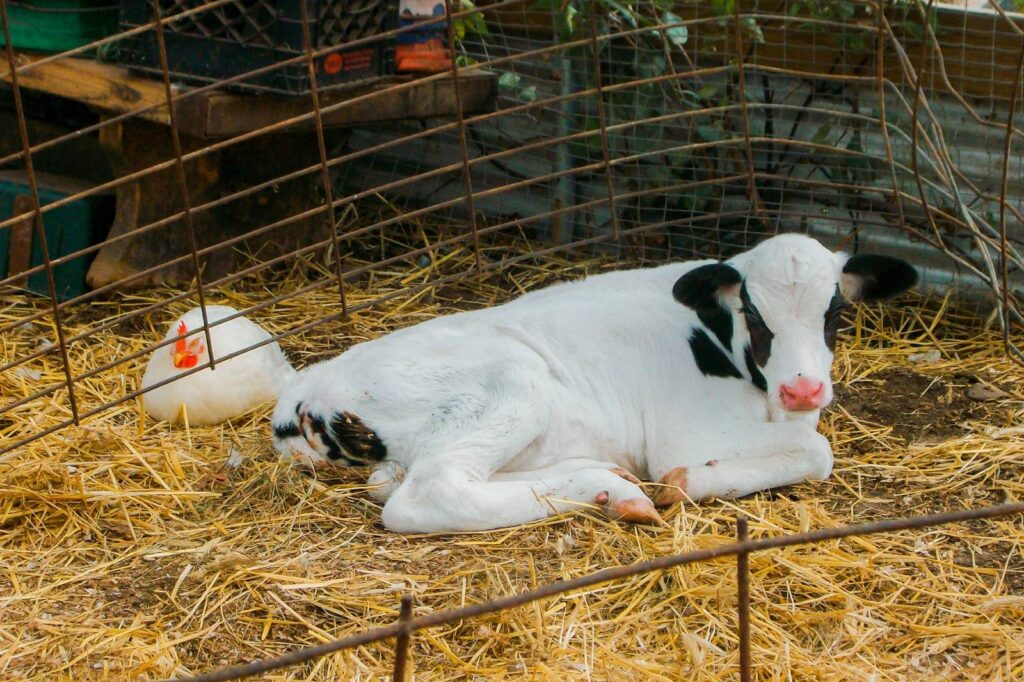
The building’s layout also needs to reflect the livestock being housed. Cattle housing, for example, may require specific arrangements for feeding areas, internal partitions and machinery access. Planning these features from the outset helps farmers manage their livestock and daily operations effectively.
Farmers planning new livestock accommodation should consider:
- Air circulation: The building should allow appropriate airflow without creating unsuitable draughts.
- Space and access: The layout should support livestock movement, feeding and routine management.
- Site conditions: Drainage and flooring should be considered when planning the building and its surrounding areas.
These considerations help create practical livestock housing that supports day to day farm management. Requirements will differ between livestock types, so the specification should reflect the needs of the animals rather than relying on a standard layout.
How Durable Materials Support Long Term Use
The lifespan and maintenance requirements of an agricultural building are relevant to its long term resource use. Buildings that remain suitable for their intended purpose can reduce the need for frequent repairs or premature replacement.
Steel is used in agricultural construction because of its strength and durability. It is also recyclable, allowing material recovery at the end of a building’s useful life. However, the overall environmental impact depends on factors such as manufacturing, construction, maintenance and how materials are handled when the building is eventually replaced.
Farmers should consider the following when assessing a building’s long term suitability:
- The durability of the structure and its external materials.
- The maintenance required in the conditions in which it will operate.
- The potential to adapt the space if agricultural requirements change.
- The quality of the design, installation and ongoing upkeep.
Considering these factors alongside the initial cost helps farmers assess a building as a long term investment rather than focusing solely on its purchase price.
Agricultural Buildings From Kit Buildings Direct
Kit Buildings Direct manufactures and installs steel-framed agricultural buildings for farms across the UK. With over 50 years of industry experience, we supply buildings for:
- hay and straw storage
- grain storage
- livestock housing
- machinery storage
- agricultural workshops
Our steelwork is manufactured in the UK and carries the UKCA mark.
As a family run business, Kit Buildings Direct offers bespoke specifications to suit different agricultural applications. Farmers can discuss their site, intended use and building requirements with the team, then consider the available design and installation options.
Contact Kit Buildings Direct to discuss your agricultural building requirements or request a quote.
